
Mobile App Development: Freelance Opportunities and Challenges
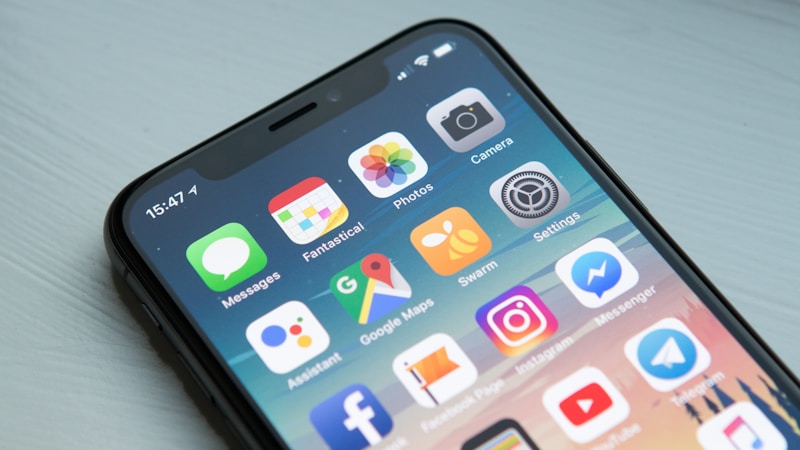
Mobile app development is one of the most lucrative freelance specialties you can pursue. Businesses of every size want apps, from the local restaurant that needs an ordering system to the startup building a consumer product to the enterprise company modernizing its internal tools. The work pays well, the demand is strong, and the projects are varied enough to keep things interesting.
What makes mobile development particularly attractive for freelancers is the combination of high skill requirements and high client budgets. Not many people can build a quality mobile app, and the clients who need one understand that it is a significant investment. That dynamic creates opportunities for developers who can deliver professional results.
iOS, Android, or Cross Platform
The first decision you face as a freelance mobile developer is which platform (or platforms) to specialize in. Each path has trade-offs, and the right choice depends on your background and the types of clients you want to serve.
Native iOS development using Swift and SwiftUI gives you access to the premium end of the market. iOS clients tend to have larger budgets and higher design expectations. Apple users spend more on apps, which means iOS projects often involve revenue-generating features like subscriptions and in-app purchases. If you are already comfortable in the Apple ecosystem, this is a natural fit.
Native Android development using Kotlin gives you access to the larger global market. Android has far more users worldwide, and many businesses need Android apps to reach their full audience. The Android ecosystem is more fragmented (more device sizes, screen resolutions, and OS versions to support), which means Android development requires extra attention to compatibility testing.
Cross platform frameworks like React Native and Flutter let you build for both platforms from a single codebase. This is increasingly what clients want because it reduces development time and cost. React Native is popular among teams that already use JavaScript and React for web development. Flutter (using Dart) has gained massive momentum thanks to its performance and beautiful default UI components.
Many successful freelance mobile developers know at least one native platform deeply and one cross platform framework. This flexibility lets you recommend the best approach for each client situation rather than defaulting to the one tool you know.
What Clients Actually Need
Most clients do not come to you with a detailed technical specification. They come with an idea, a problem, or a competitor app they want to improve upon. Your job starts before you write a single line of code. You need to help them clarify their requirements, define the scope, and understand what is realistic within their budget and timeline.
Common mobile app projects include e-commerce apps, social networking platforms, business productivity tools, booking and scheduling systems, fitness and health trackers, and internal enterprise applications. Each type has its own set of challenges and standard features that clients expect.
Clients also need you to think about things they might not mention. Push notifications, user authentication, payment processing, analytics, app store submission, and ongoing maintenance are all part of a complete mobile app project. The freelancers who proactively address these requirements earn more trust (and higher rates) than those who only build what was explicitly requested.
Building a Strong Portfolio
Your portfolio is the most important factor in winning mobile development projects. Clients want to see apps you have built, and they want to download or at least view screenshots of them. A GitHub profile with clean, well documented code is valuable for technical clients, but most non-technical clients care about the end product, not the code behind it.
If you are just starting out, build two or three complete apps and publish them to the App Store or Google Play. They do not need to be commercial successes. They need to demonstrate your ability to ship a polished product. A simple but well designed task manager app proves more than an ambitious but unfinished social network.
Include case studies in your MyFreelancer profile that explain the problem each app solved, the technical decisions you made, and the results. Clients respond to stories, not just screenshots. "Built a booking app that reduced no-shows by 40% for a dental practice" is far more compelling than "Built a booking app."
The verification badge on MyFreelancer adds credibility to your profile. For high-value projects like app development, clients need confidence that they are hiring a legitimate professional. Getting verified is a straightforward process that pays dividends on every proposal you submit.
Pricing Mobile App Development
Pricing app development is more complex than pricing most freelance services because projects vary enormously in scope. A simple informational app with five screens is a completely different project than a social platform with real-time messaging, user profiles, and content feeds.
Most freelance app developers price by project rather than by the hour. This protects you from scope underestimation and gives the client a clear total cost. Break the project into phases (design, development, testing, deployment) and price each phase separately. This approach also aligns well with the milestone escrow system on MyFreelancer, where payments are tied to specific deliverables.
Always include a discovery or planning phase in your quotes. This initial phase, where you define requirements, create wireframes, and map out the technical architecture, prevents expensive misunderstandings later. Many developers offer the discovery phase as a standalone paid engagement, which lets the client evaluate your work before committing to the full project.
Visit the fees page to understand MyFreelancer platform fees and factor them into your project pricing. The tiered structure means your effective platform cost decreases as your revenue grows, which benefits developers who take on larger projects.
The Development Process Clients Expect
Professional mobile development follows a predictable process, and clients appreciate transparency at every stage. Start with discovery and requirements gathering. Move into wireframing and design. Then build the app in iterative sprints, sharing progress regularly. Follow with thorough testing across devices. Finish with app store submission and post-launch support.
Communication during development is critical. Clients who do not hear from their developer for two weeks start to panic. Send weekly progress updates even if you do not have anything dramatic to show. Share screenshots, demo videos, or working builds so the client can see their app taking shape.
Use the milestone system on MyFreelancer to structure payments around these phases. Fund the discovery milestone first, then design, then development, then testing and deployment. This protects both you and the client and creates natural checkpoints for feedback and approval.
Ongoing Maintenance and Retainers
Building the app is only the beginning. Every app needs ongoing maintenance, bug fixes, OS compatibility updates, and feature additions. This is where retainer relationships become valuable. Offering a monthly maintenance package after launch gives you recurring revenue and gives the client peace of mind that their app will continue to function as platforms evolve.
Apple and Google both release major OS updates annually, and these updates regularly break things in existing apps. A maintenance retainer that includes compatibility testing and updates for new OS versions is a genuinely valuable service that clients will gladly pay for.
Standing Out as a Mobile Developer
The freelancers who earn the most in mobile development are not just coders. They are consultants who guide clients through the entire process. They recommend the right platform, challenge unrealistic timelines, suggest features the client had not considered, and deliver apps that genuinely solve the original problem.
Building your reputation on MyFreelancer through the scoring system accelerates your growth. Every successful project improves your score, which increases your visibility to new clients. High scoring developers with verified profiles and strong portfolios can command premium rates and attract clients who value quality over the lowest bid.
If you are ready to turn your mobile development skills into a freelance career, create your MyFreelancer profile and start connecting with clients who need your expertise. The demand for quality app development is not slowing down, and the market rewards developers who deliver real results.
App Maintenance Contracts
Building a mobile app is a significant project, but the real business opportunity for freelance developers often lies in what happens after launch. Every app needs ongoing maintenance, updates, bug fixes, and feature additions. Positioning yourself as a long-term maintenance partner rather than a one-time builder transforms sporadic project income into predictable recurring revenue.
Most clients do not realize how much post-launch work a mobile app requires until they experience it firsthand. Operating system updates from Apple and Google regularly break existing functionality. Third-party API changes require code modifications. User feedback reveals bugs and feature requests that need attention. Security patches must be applied promptly. Educating clients about these realities during the initial project discussion positions you naturally as the person they should retain for ongoing support.
Structure your maintenance contracts around tiers of service. A basic tier might cover critical bug fixes and OS compatibility updates. A mid-tier could add performance monitoring, minor feature enhancements, and monthly reporting. A premium tier might include priority response times, regular feature development hours, and proactive optimization. This tiered approach gives clients flexibility and lets you scale your maintenance revenue as their app grows in complexity and importance.
Pricing maintenance contracts requires balancing predictability with fairness. Monthly retainer models work well because they give clients budget certainty and give you income stability. Include a defined number of hours or a scope of covered services, with clear terms for work that exceeds the retainer. The MyFreelancer platform makes these ongoing relationships easy to manage, and the milestone escrow system can be adapted for monthly maintenance deliverables.
Documentation is your best friend in maintenance work. When you build the original app, document every architectural decision, every third-party integration, and every non-obvious code pattern. Future you, handling a maintenance request six months later, will be grateful. Good documentation also protects you if the client ever decides to transition to a different developer. Your professionalism will be evident, and that reputation follows you through your MyFreelancer profile and scoring history.
Maintenance clients who trust you with their ongoing app care become some of your strongest referral sources. They experience your reliability month after month, and when someone in their network needs app development, your name comes up naturally.
Cross-Platform Development Decisions
One of the first technical decisions in any mobile app project is whether to build natively for each platform or use a cross-platform framework. This choice affects development cost, performance, user experience, and long-term maintainability. As a freelance developer, guiding your clients through this decision with honest, informed advice builds trust and demonstrates expertise that goes beyond writing code.
Native development means building separate codebases for iOS and Android using platform-specific languages and tools. The advantages are clear. Native apps deliver the best performance, the most polished user experience, and full access to every device feature and platform capability. The disadvantage is cost. Building and maintaining two separate codebases takes roughly twice the development effort, which means higher project fees and longer timelines.
Cross-platform frameworks allow you to write code once and deploy to both platforms from a single codebase. Modern frameworks have narrowed the performance gap significantly, and for many app categories, users cannot tell the difference between a well-built cross-platform app and a native one. The reduced development time translates to lower cost for your client and faster time to market, which can be decisive competitive advantages.
The right choice depends on the specific project requirements. Apps that need heavy animation, complex device integration, or absolute peak performance usually benefit from native development. Business apps, content platforms, e-commerce clients, and most utility applications are excellent candidates for cross-platform approaches. Your role as a consultant is to match the technical approach to the business reality rather than defaulting to whatever you personally prefer.
Be transparent about your own expertise when advising clients. If you are strongest in one particular framework, say so. Then explain the tradeoffs honestly. A client who understands why you are recommending a specific approach, including its limitations, will trust your judgment far more than one who senses they are being steered toward your comfort zone. Billboards on MyFreelancer let you highlight your specific platform expertise so clients with matching needs can find you easily.
Consider the maintenance implications of your platform choice. Cross-platform frameworks sometimes introduce dependency on third-party tooling that could change or become unsupported. Native development ties you to Apple and Google ecosystems, which evolve on their own timelines. Help your client understand these long-term considerations during the initial project scope discussion, and document the rationale for whatever decision you make together.
The mobile development landscape evolves quickly, and the best platform choice today might not be the best choice two years from now. Stay current with major framework developments by following release notes, participating in developer communities, and experimenting with new tools between client projects. Your ability to provide informed, up-to-date guidance on platform decisions is a differentiator that clients will pay premium rates for.