
Digital Nomad Life: Freelancing While Traveling the World
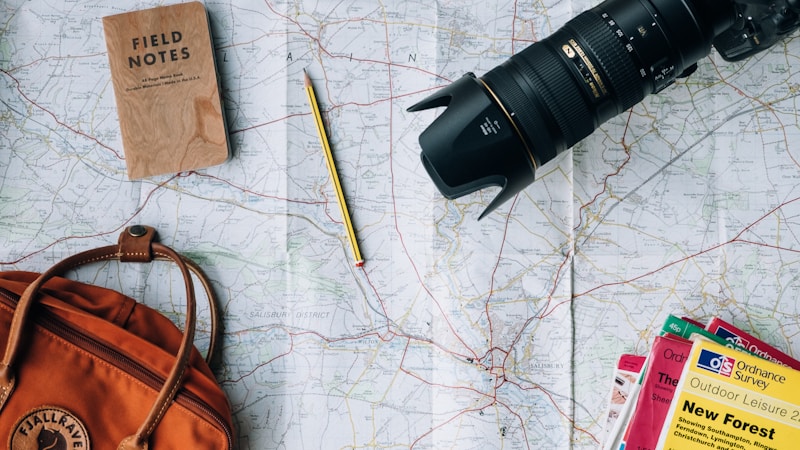
Working from a beach in Bali, a cafe in Lisbon, or a co-working space in Mexico City sounds like a dream. For thousands of freelancers, it is daily reality. The digital nomad lifestyle is more accessible than ever, but the romanticized version you see on social media glosses over the practical challenges that determine whether the experience is wonderful or miserable. If you are considering freelancing while traveling, the details matter more than the destination.
The foundation of successful digital nomad life is a freelance career that does not require you to be in a specific place. That sounds obvious, but many freelancers underestimate how much their current work depends on time zone alignment, in-person meetings, or local infrastructure. Before you book a flight, you need a business that genuinely works from anywhere.
Choosing Work That Travels Well
Not all freelance work is equally portable. Writing, design, development, marketing, data analysis, and consulting all travel beautifully because the deliverables are digital and the communication is asynchronous. Video editing and animation work well too, though they require more processing power from your laptop.
Client-facing work that requires real-time availability is harder to manage across time zones. If your clients expect you on Zoom at 9 AM Eastern every day, working from Southeast Asia (where that is 9 PM or later) gets old fast. The solution is either finding clients who are comfortable with asynchronous communication or maintaining a schedule that overlaps with your primary time zone for a few hours each day.
MyFreelancer is a location-independent platform by design. Your profile, Billboards, proposals, and client communications all work from anywhere with an internet connection. The milestone escrow system processes payments regardless of where you are physically located. The scoring system tracks your reliability based on performance, not geography.
The Time Zone Challenge
Time zones are the biggest operational challenge for nomad freelancers. When you move across the world, your working hours shift relative to your clients. This requires either discipline or deliberate client selection.
Some freelancers solve this by keeping their home time zone working hours regardless of where they are. In Southeast Asia, that might mean working evenings and nights. In Europe, it might mean starting your workday in the afternoon. This approach keeps clients happy but limits your ability to enjoy your destination during business hours.
A better long-term approach is building a client base across multiple time zones or focusing on clients who primarily communicate asynchronously. When your client sends a brief by email and expects the deliverable by a deadline (not a specific hour), your physical location becomes irrelevant.
Be upfront with clients about your situation. Most clients do not care where you work from as long as you deliver quality work on time and respond to messages within a reasonable window. Surprises cause problems. Transparency prevents them.
Internet: Your Most Critical Resource
Unreliable internet is the fastest way to derail your nomad freelance career. A single dropped video call or a failed file upload during a deadline can damage a client relationship you spent months building.
Research internet reliability before choosing a destination. Nomad community forums, speed test databases, and co-working space reviews all provide useful data. Some countries have excellent infrastructure nationwide (South Korea, Japan, Estonia). Others have reliable internet in major cities but poor connectivity elsewhere (much of Southeast Asia, Latin America, and Africa).
Always have a backup internet option. A local SIM card with a generous data plan serves as your failsafe when Wi-Fi goes down. In many countries, mobile data is inexpensive and surprisingly fast. Tethering your phone to your laptop should be a practiced routine, not a last resort.
Co-working spaces are worth the investment. The internet is fast and reliable, the environment is productive, and you meet other freelancers and remote workers. Most popular nomad destinations have multiple co-working options, ranging from basic desks to premium spaces with private offices, meeting rooms, and networking events.
Managing Client Relationships on the Road
Communication discipline is what separates successful nomad freelancers from those who burn through clients. When you are traveling, distractions are everywhere. New cities, social opportunities, and the temptation to explore can easily crowd out the focused work time your clients are paying for.
Set a work schedule and stick to it. Whether you work mornings, afternoons, or split shifts, having defined working hours keeps you productive and keeps clients confident. Communicate your schedule clearly so clients know when to expect responses.
Over-communicate rather than under-communicate. Send status updates before clients ask. Acknowledge messages promptly even if you can not respond in full right away. Meet every deadline without exception. Reliability is the single most important trait for a nomad freelancer because clients can not see you working. They judge you entirely by your output and responsiveness.
The MyFreelancer messaging system keeps your client communications centralized and accessible from any device. The milestone system creates clear checkpoints for project progress, which helps both you and the client stay aligned even when you are in different time zones and never overlap in real time.
Financial and Legal Considerations
Freelancing internationally introduces financial complexity that you need to plan for. Currency conversion, international banking fees, tax obligations in your home country, and potential tax obligations in countries where you spend significant time all require attention.
Open a bank account or payment service that handles international transactions efficiently. Services designed for remote workers and freelancers minimize conversion fees and provide multi-currency accounts. The MyFreelancer payment system handles the platform side of transactions, but you still need a reliable way to receive and manage your earnings.
Tax obligations do not disappear when you leave your home country. Most countries tax their citizens or residents on worldwide income regardless of where the work is performed. Keep detailed records of your income, expenses, and the countries where you spend time. Consulting a tax professional who understands international freelance taxation is a worthwhile investment.
Visa requirements vary by country and change frequently. Many popular nomad destinations now offer specific digital nomad visas that allow you to live and work legally for a year or more. Research visa requirements before you travel, and do not assume that a tourist visa allows you to work remotely.
Practical Tips for Nomad Productivity
Pack light but pack smart. A reliable laptop, noise-canceling headphones, a portable charger, universal power adapters, and a lightweight laptop stand are essential. Your gear should fit in a carry-on because checked luggage gets lost, and you do not want your livelihood sitting in a different airport.
Establish routines quickly in each new location. Find your co-working space or cafe on day one. Locate the nearest grocery store. Figure out transportation. The faster you settle into a routine, the sooner you return to full productivity.
Health insurance is non-negotiable. International health insurance plans designed for nomads provide coverage across multiple countries. A medical emergency without insurance in a foreign country can be financially devastating. Do not skip this.
Build a financial buffer before you start traveling. Unexpected costs, slow client months, and travel disruptions all happen. Having several months of expenses in savings gives you the freedom to handle surprises without panic.
Building Your Business While Traveling
The nomad lifestyle is not just about working from beautiful places. It is about building a career that gives you freedom by design. The freelancers who thrive as nomads are the ones who treat their freelance business with the same seriousness they would treat a traditional career, just from a more interesting location.
Keep building your MyFreelancer profile and reputation regardless of where you are. Maintain your Billboards, respond to project opportunities, and collect positive reviews. Your scoring history travels with you and compounds over time. The verification badge reinforces your credibility with new clients who might otherwise wonder about hiring someone in a different country.
Connect with other nomad freelancers. The community is large, generous with advice, and full of people who have solved the exact problems you are facing. Co-working spaces, nomad meetups, and online communities are all valuable resources.
The digital nomad lifestyle is not for everyone, and it is not perfect. But for freelancers who crave variety, independence, and the experience of living in different cultures while building a career on their own terms, it is hard to beat. Explore opportunities on MyFreelancer and build the location-independent career that makes it possible.
Tax and Legal Considerations
The digital nomad lifestyle offers incredible freedom, but that freedom comes with a complex web of tax and legal obligations that many remote freelancers do not fully understand. Working from a beach in Thailand sounds ideal until you realize that your tax situation might now involve multiple countries, and the wrong assumptions could lead to serious financial consequences.
Tax residency is the foundational concept every nomadic freelancer needs to understand. Most countries determine tax residency based on where you spend the majority of your time, typically defined as 183 days or more within a calendar year. Your home country may continue to tax you on worldwide income regardless of where you live, while the country you are visiting may also claim taxing rights. Double taxation treaties between countries can prevent you from paying tax twice on the same income, but these treaties vary significantly and require specific knowledge of each jurisdiction involved.
Visa requirements affect your legal right to work from a particular location. Tourist visas typically do not permit any form of employment, including remote freelance work. While enforcement varies, working on a tourist visa carries real legal risk. An increasing number of countries now offer digital nomad visas or remote worker permits that explicitly authorize freelance work. Research these options before choosing your destinations, and factor any visa costs into your business planning.
Business registration becomes complicated when you do not have a fixed location. Some freelancers maintain their business registration in their home country while others incorporate in jurisdictions with favorable business environments. The right choice depends on your citizenship, income level, and the countries you plan to spend time in. Professional advice from an accountant or attorney who specializes in international freelance work is not optional at this level. It is an essential business expense.
Banking and payment logistics deserve careful attention. Not all banks are friendly to customers without a fixed address, and some countries restrict financial transactions conducted from abroad. Having a reliable banking setup that works regardless of your physical location prevents situations where you cannot access your own money. The payment systems built into platforms like MyFreelancer provide stability because the platform handles international payment processing regardless of your current location.
Insurance gaps are a hidden risk. Your home country health insurance may not cover you abroad, travel insurance often excludes long-term travel, and professional liability insurance may have geographic limitations. Review all your policies and fill gaps before leaving. A medical emergency abroad without coverage can be financially devastating.
Building Routine While Traveling
Freedom without structure leads to chaos, and chaos leads to missed deadlines, frustrated clients, and a freelance career that falls apart despite the inspiring backdrop. The nomadic freelancers who sustain their businesses long-term all share one thing in common. They have built portable routines that create consistency regardless of their physical location.
Your morning routine is the anchor that keeps everything else in place. Whether it involves exercise, meditation, journaling, or simply a cup of coffee before opening your laptop, having a consistent start to your work day signals to your brain that it is time to focus. When everything else changes, your new city, your accommodation, your timezone, this personal routine provides the stability that makes productive work possible.
Workspace selection is more important than most nomads initially realize. Working from your bed in a hostel dormitory might sound romantic for a day, but it destroys productivity over a week. Identify reliable workspace options in every destination before you arrive. Co-working spaces provide consistent internet, comfortable desks, and the social interaction that remote work otherwise lacks. Many co-working spaces offer day passes and weekly rates that fit short stays.
Internet reliability is a non-negotiable business requirement. Before committing to any destination or accommodation, verify the internet speed and stability. Have a backup plan for every location, whether that is a local SIM card with tethering capability, a nearby cafe with strong wifi, or a co-working space within walking distance. Clients who are paying for your work through MyFreelancer milestone escrow expect on-time delivery regardless of your travel adventures. Your verification badges and scoring history suffer real damage from missed deadlines, no matter how exotic the excuse.
Time zone management affects both your productivity and your client relationships. Some nomads choose destinations that overlap with their primary client time zones. Others batch their client communication into specific hours and do deep work during off-hours. Either approach works, but the worst strategy is having no strategy at all. Communicate your working hours clearly to every client and build your schedule around those commitments.
Social isolation is the challenge that few digital nomad guides discuss honestly. Working alone in a foreign country can be profoundly lonely, and loneliness erodes motivation, creativity, and mental health. Actively seek community through co-working spaces, nomad meetups, local activities, and online communities of remote workers. The connections you build while traveling can become professional relationships too, leading to collaborations and referrals through MyFreelancer.
Plan your travel around your work, not the other way around. The nomads who burn out fastest are the ones who treat every destination as a vacation and squeeze work into the gaps. The ones who thrive treat work as the priority and build travel adventures around their productive schedule. This mindset is what makes long-term nomadic freelancing sustainable rather than a temporary escape.